SapphireSys
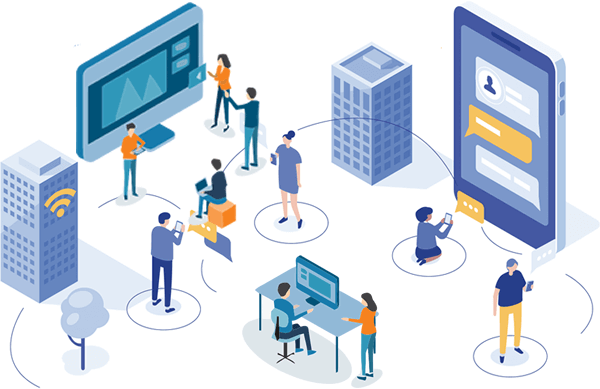
We develop custom software solutions including ERP solutions, web applications, mobile apps and database based solutions.
With almost 20 years of experience, we know the pulse of your business and the type of software you need for your operations and managing your data. We provide you with some very distinct advantages when it comes to software you specifically need and reduce your IT costs.
- Quick analysis of your requirements and designing a custom solution specifically for you
- Agile development ensuring lightning fast delivery
- Major cost benefits for you and your teams!
Our unique design and development methodology for software development, refined over a period of 20 years, ensures we work exactly as per your needs. Our transparent process ensures there are no surprises or hidden costs for you. Our nifty agile development process and CI/CD method ensures you up and running with your software within no time with a software solution that surpasses quality benchmarks.
Our Services
50+ happy clients who have come to depend on SapphireSys for all their software needs.
125+ enterprise grade custom software, mobile apps and web solutions developed
20 years of creating world class software solutions.
Our solutions are 100% guaranteed on quality and security benchmarks
Agile Software Development
Are your processes and software outdated and you are in need of a fast upgrade? We've got you.
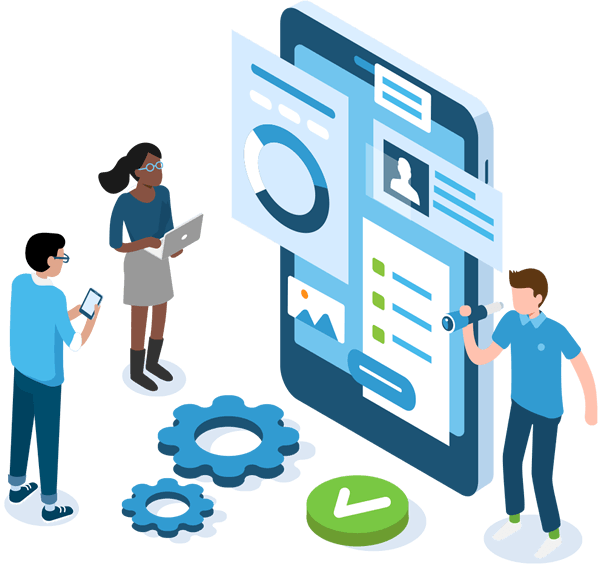
We are firm believers and practitioners of agile methodologies, full transparency and close collaboration. This gives us the ability to work closely with your teams, take your inputs and build a software solution that integrates all your operations along with data and helps elevate your business capabilities.
It does not matter what your business is about or what your size is, old legacy systems impact you and your business.
SapphireSys can help you in your digital transformation and give you the power and capability that is critical for any organization. Our custom software solutions which are simple yet powerful, unify all your business operations, bring all your data together and help you see a picture that will transform your outlook and power you business to rise above your competitors.
Our Expertise






Services
We provide end-to-end services in custom software development, mobile app development, web design and applications
Custom Software Development
Simple to use yet powerful and fully scalable. We develop custom software developed as per your requirements. solutions with highest IT security and quality benchmarks.
Web Applications
E-commerce portals, content management systems, client support systems, online field employees management or any other custom web applications. You name it, we make it!
Mobile Apps
Standalone mobile apps or apps complimenting your backend systems, we develop them on all popular platforms as per your needs, including backend solutions for the apps.
Programming and IT training
We provide IT training as a complimentary service to our clients as part of our solution. We also provide coding training for your in-house software maintenance staff.
The SapphireSys advantage
With SapphireSys, you don't just get a software solution you also get...
The highest quality
Our solutions meet the highest quality benchmarks for quality and security. They are not just simple and very user-friendly, they are designed to work on diverse systems and platform.
Expert team
We have a diverse team of experts specializing in specific areas of software development. From initial requirement gathering to finalizing the scope, from design and development to delivery, we ensure you get the best experience through the entire process.
Cost effective solutions
Our solutions are designed to reduce your software and IT infrastructure costs. The savings extend to the human resources that our solutions reduce which is always one of the special emphasis areas for us.
Complete peace of mind
With Sapphiresys, you can be rest assured of timely delivery and solutions that exceed your expectations. This frees you from your IT and software worries so you are able to concentrate on your core business.
Ready, get set, go!
We are based in Mumbai, India but we have clients from all over the world.
Are you ready for the SapphireSys Advantage?